Kibale National Park stretches across Kabarole District, Kamwenge District, Kyenjojo District, and Bunyangabu District, making it one of Uganda’s most important conservation areas covering approximately 795 square kilometres.
Before later being upgraded into a national park, the forest was first gazetted as a reserve in the 1930s to strengthen wildlife protection and conservation efforts.
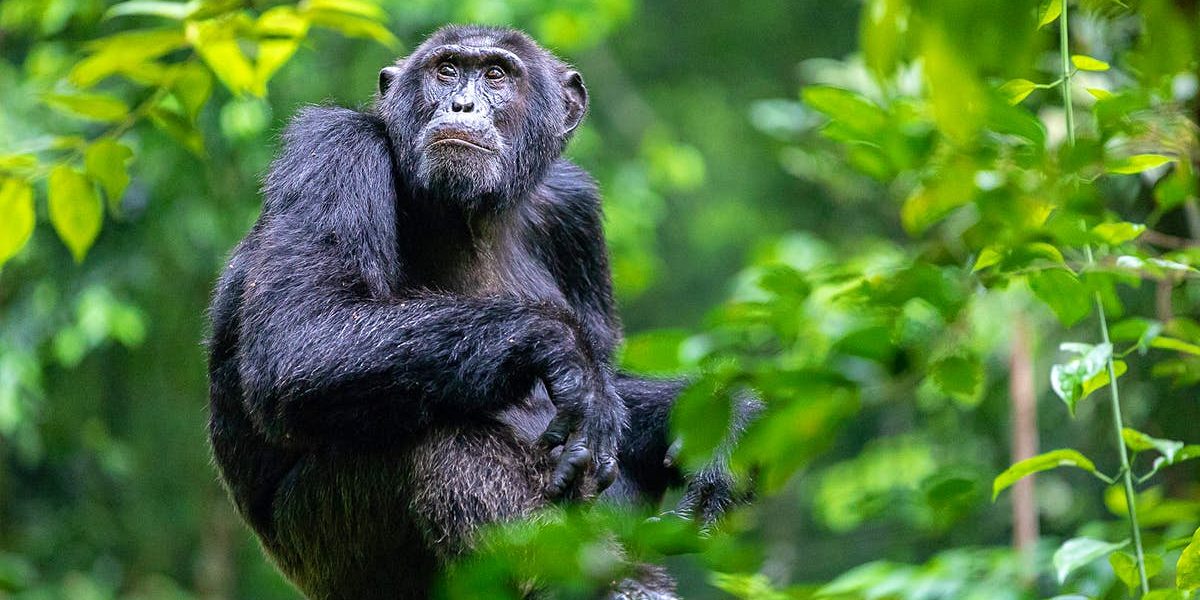
Kibale is home to 13 different primate species, including chimpanzees, black-and-white colobus monkeys, red-tailed monkeys, vervet monkeys, olive baboons, and the rare L’Hoest’s monkey thus Often referred to as the “Primate Capital of the World.
John Justice Tibesigwa the Chief Warden says that the uniqueness of Kibale lies not only in its primates but also in the diversity of habitats found within the protected ecosystem.
He explained saying that Kibale was first protected as a forest reserve in the 1930s before becoming a national park. Today, it remains one of the most important ecosystems because of its rich biodiversity and unique habitats.
“The park contains tropical rainforest, wetlands, rivers, swamp systems, and savannah vegetation, particularly in the southern section of the park, creating an environment capable of supporting a wide range of wildlife species.” He noted.
Tibesigwa says that Kibale supports many forms of life including primates, birds, butterflies, and other wildlife species that are important for tourism and conservation because of this diversity.
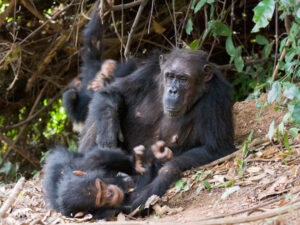
Drawing visitors from across the world seeking close encounters with man’s closest relatives in their natural habitat, chimpanzees tracking remains the park’s biggest attraction.
While experiencing the sounds of birds, rustling trees, and chimpanzees communicating deep within the forest, Tourists trek through dense forest trails guided by rangers from the Uganda Wildlife Authority.
Besides primates, kibale national Park hosts more than 375 bird species, making it one of Uganda’s leading bird watching destinations. The park is also home to forest elephants, bush pigs, reptiles, butterflies, and numerous plant species that contribute to its rich ecosystem.
Areas such as Bigodi Wetland Sanctuary continue to attract eco-tourists interested in birdwatching, nature walks, and community tourism experiences.
“Protecting Kibale extends beyond tourism and wildlife conservation.” Tibesigwa says.
He says that when they protect Kibale, they are protecting water sources, biodiversity, tourism revenue, and the future of generations to come.
The park continues to face challenges including encroachment, illegal activities, and pressure from surrounding communities seeking land and forest resources despite its global recognition and ecological importance.
To ensure the long-term protection of the park, conservationists continue to call for stronger environmental awareness and greater community involvement.
Today, Kibale remains more than a tourism destination. It stands as one of Uganda’s greatest natural treasures where wildlife conservation, tourism, environmental protection, and community livelihoods continue to coexist within one of Africa’s most remarkable rainforest ecosystems.